
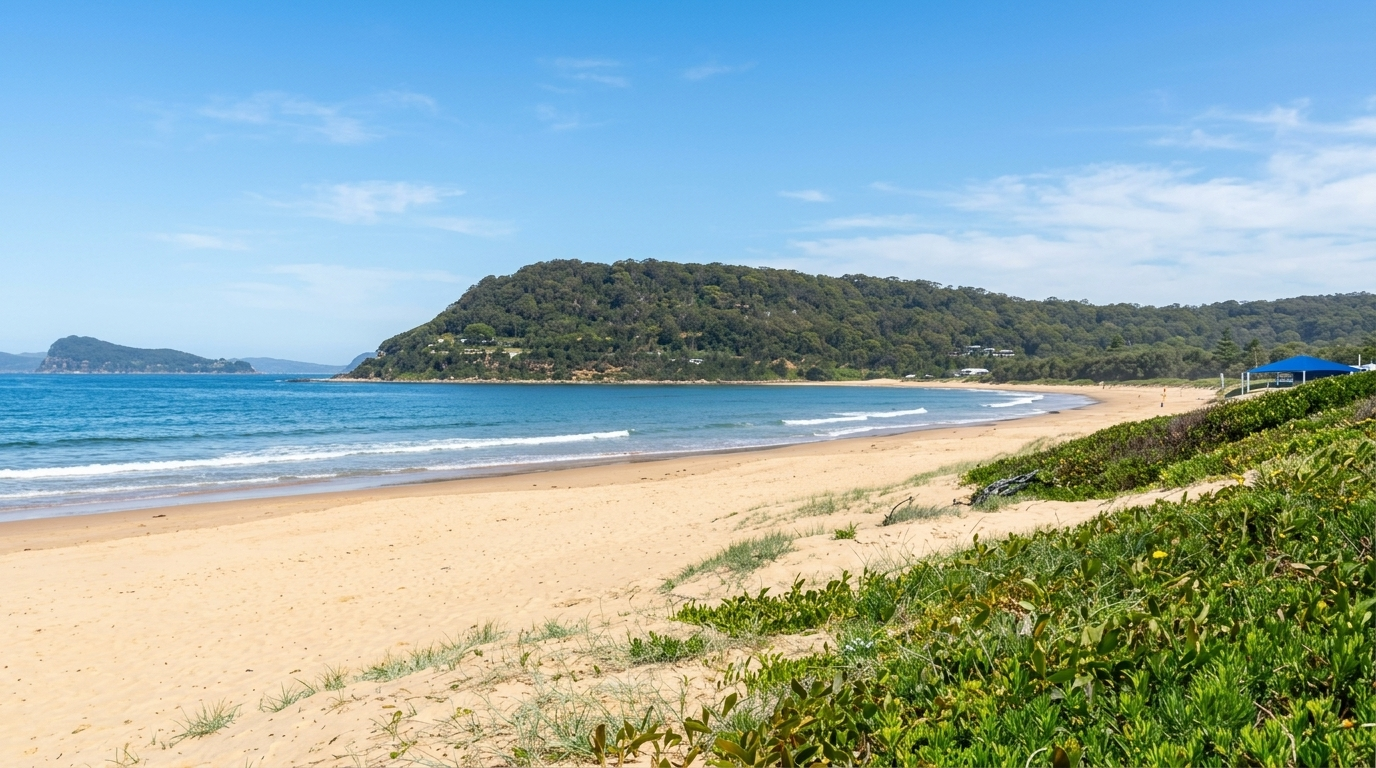
On the NSW Central Coast, Umina Beach’s median house sits around $1.24 million, having added roughly 10 per cent over the past year, while units and townhouses cluster around $930,000. Houses let for about $650 a week and units for around $550, and the vacancy rate sits near 1.07 per cent. Around a third of Umina Beach homes are rented, so the tenant pool is large.
Depreciation lets you write down the gradual decline in value of a building and its fixtures against rental income, without spending a dollar out of pocket. It is a deduction that is easy to overlook. There is one condition: the deduction only exists once you order a schedule, and plenty of owners never do.
If you own or plan to buy an investment property in Umina Beach, it is worth understanding how depreciation works and what it adds to your after-tax return.
What a depreciation schedule actually is
A depreciation schedule is a report prepared by a qualified quantity surveyor. NAB describes it as a detailed document that sets out the rate at which your assets will decline in value and the depreciation deductions you can claim over time. It itemises the building structure, the fixtures and the appliances, and shows what you can claim year by year.
A building and everything fixed to it wears down over time, and the ATO lets you claim that decline against the rental income the property earns. The quantity surveyor is the profession the ATO recognises for estimating those construction and asset costs, which is why a schedule should come from a qualified surveyor rather than a rough guess. Once the report is done, your accountant adds the figure to your tax return each year.
The two ways a property depreciates (Division 43 vs Division 40)
Depreciation splits into two streams, and it helps to know the difference.
Capital works, known as Division 43, covers the structure itself: the walls, roof, floors and anything else fixed to the building. For residential properties completed after 15 September 1987, you can claim this at 2.5 per cent a year over 40 years from completion. That is a steady claim running for four decades.
Plant and equipment, Division 40, covers the removable fixtures and fittings: appliances, carpets, blinds, hot water systems and the like. These are claimed over each asset’s own effective life set by the ATO. A dishwasher, for example, has an effective life of eight years, claimable at 12.5 per cent a year on prime cost or 25 per cent on diminishing value.
The practical takeaway is that most of your claim comes from the building itself, not the contents. Capital works typically makes up 85 to 90 per cent of a total depreciation claim, which is why the construction cost of a property matters so much.
New builds, townhouses and the 2017 rules
Newer properties generally carry bigger claims. A new build lets you claim plant and equipment from day one, and it comes with a higher construction cost, which feeds straight into the capital works calculation. That is why a brand-new townhouse can generate a far larger first-year deduction than a long-held older home.
The 2017 rule change is worth understanding, because it is friendlier than it sounds. Since 1 July 2017, investors generally cannot claim second-hand plant and equipment installed by a previous owner. But capital works is untouched. The building write-off keeps running at 2.5 per cent a year, and any new asset you add yourself, a new oven, new carpet or air conditioner, is fully claimable.
Umina Beach sits across both paths. Its housing stock ranges from original beach cottages, many now renovated, to modern two-storey homes and a steady wave of new townhouses, so either route is open here.
Why Umina Beach is a natural fit for depreciation
Depreciation is only claimable while a property is producing income, and Umina Beach’s rental market supplies that income. The median house around $1.24 million lets for about $650 a week, while units return around $550 to $620 a week and three-bedroom townhouses have seen rents grow more than 7 per cent over the year. With a vacancy rate near 1.07 per cent, income keeps flowing, which is when depreciation can be claimed, and house values have climbed around 45 per cent over the past five years.
The housing mix helps too. Townhouses now number 926 dwellings, about 13.6 per cent of occupied stock, and many new townhouses have been built in recent years. Both of the strongest depreciation scenarios, buying new or renovating an older cottage, are common here.
What an investor actually gets back
Across the market, quantity surveyor BMT reports that residential clients average around $12,000 in first full-year deductions. For a brand-new property, Canstar estimates around $16,000 in year one and close to $100,000 over the first ten years.
A worked example shows the effect. A property with a $250,000 construction cost yields $6,250 in capital works deductions every year for 40 years at 2.5 per cent, before you even count plant and equipment. That lowers your taxable income; it is not a bill you have to pay.
The quantity surveyor’s fee is tax deductible in the year it is paid, and the report continues generating deductions for decades.
Getting started: a simple checklist
Turning this into a claim takes a few simple steps.
First, order the schedule from a qualified quantity surveyor. They estimate the construction and asset costs the ATO recognises and present your deductions both ways.
Second, choose your calculation method. Prime cost spreads each asset’s decline evenly over its life, while diminishing value front-loads larger claims in the early years and brings a bigger refund sooner. A surveyor can show you both figures.
Third, time it well. Order the schedule around settlement or before you renovate, so no item is missed, and then again after any renovation to capture the new deductions. Small items can add up too: assets costing $300 or less can be claimed as an immediate deduction in the year you use them.
Finally, keep the schedule current, updating the report whenever the property changes.
Conclusion: turning the numbers into a Umina Beach advantage
Depreciation is an ATO-backed deduction available to a property investor, and Umina Beach’s rental market makes it especially relevant. A median house letting for about $650 a week, a vacancy rate near 1 per cent, and a housing mix of new townhouses and renovated cottages all point to claimable depreciation for the owners who order it.
The figures are clear: around $12,000 in an average first year and close to $100,000 over a decade on a brand-new property. It is a non-cash deduction that lowers your taxable income without any ongoing out-of-pocket spending, and none of it shows up until you commission the report.
If you are looking at Umina Beach investment opportunities, or already own here and want to make sure you are claiming everything available, talk to the Stone Real Estate team. They can help you find the right property and point you toward the surveyors who will turn it into a working deduction.
Frequently Asked Questions
What is a tax depreciation schedule for a Umina Beach investment property?
A tax depreciation schedule is an ATO-compliant report prepared by a qualified quantity surveyor. It itemises every depreciable asset in your property and sets out the deductions you can claim each year.
Who prepares a depreciation schedule in Umina Beach, and is the fee worth it?
A qualified quantity surveyor prepares it, and they are the profession the ATO recognises for estimating construction and asset costs. The fee is tax deductible, and an average first-year claim of around $12,000 usually outweighs the one-off cost.
What is the difference between Division 40 and Division 43 for Umina Beach properties?
Division 43 covers the building structure, claimed at 2.5 per cent a year over 40 years. Division 40 covers removable fixtures and appliances, claimed over each asset’s own ATO effective life.
Can I claim depreciation on an older Umina Beach property?
Yes, in most cases. Capital works deductions apply to buildings completed after 15 September 1987 or substantially renovated since, and any new asset you add is claimable. The 2017 rule only limits second-hand plant and equipment.
Do new townhouses in Umina Beach depreciate better than older cottages?
Generally yes. A new townhouse lets you claim plant and equipment from day one plus higher capital works, while a renovated older cottage still unlocks capital works deductions.
How much depreciation can I claim on a Umina Beach rental in the first year?
The market average is around $12,000 in the first full year, rising to about $16,000 for a brand-new property. A $250,000 build alone delivers $6,250 a year in capital works.
What changed in the 2017 depreciation rules for Umina Beach investors?
From 1 July 2017, investors generally cannot claim second-hand plant and equipment installed by a previous owner. Capital works is unaffected, and any new asset you add remains fully claimable.
Can I claim depreciation on renovations and new appliances in Umina Beach?
Yes. Renovations, new appliances, carpet and paint can all be depreciated. Order a schedule before you renovate to track disposed items, and again afterwards to capture the new deductions.
Is depreciation a real cash saving or just a paper deduction for Umina Beach landlords?
It is a genuine saving. Depreciation is a non-cash deduction that lowers your taxable income, so it reduces the tax you pay without costing you a dollar.
What is the difference between prime cost and diminishing value on a Umina Beach property?
Prime cost spreads each asset’s decline evenly over its effective life. Diminishing value front-loads larger claims in the early years, bringing a bigger refund sooner.
How long does a depreciation schedule for a Umina Beach property last?
Capital works deductions can run for up to 40 years, while each asset is claimed over its own effective life. It is worth updating the schedule whenever the property changes.
When should I order a depreciation schedule for a Umina Beach property, before or after I buy?
Ideally around settlement, or before you renovate, so every item is captured and no deduction is missed. The report can be prepared as soon as the property is income-producing.